tianyuansolar@gmail.com

Expert Guide to Split-Phase Solar Inverters for Homes

  • Learning center
Posted by SUNNYSKY On Mar 17 2026

Case Study: Revolutionizing Residential Solar with the SUNNYSKY 5KW Split-Phase Solar Inverter


Split-Phase Solar Inverter, Solar Inverter Types, Best Split-Phase Inverter, Split-Phase Inverter Efficiency, Residential Solar Inverters

In the quest for sustainable energy solutions, one residential project in suburban California stands out as a prime example of how the Split-Phase Solar Inverter can transform everyday homes into efficient powerhouses. Homeowner Sarah Thompson, a tech-savvy engineer, faced the challenge of integrating solar power into her 2,500-square-foot home without major electrical overhauls. Traditional inverters often fell short in compatibility with her existing split-phase power systems, leading to inefficiencies and high costs. That's when she turned to Guangzhou Tianyuan Solar Equipment CO., LTD, known for their SUNNYSKY brand and its innovative approaches to solar technology.

Understanding Solar Inverter Types and the Need for Split-Phase Solutions


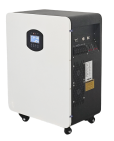
Sarah's journey began with a deep dive into Solar Inverter Types, realizing that not all inverters suit every home setup. Her property required a Dual Voltage Solar Inverter to handle the 120/240V split-phase configuration common in U.S. residences. The SUNNYSKY 5KW Solar Split-Phase Inverter emerged as the Best Split-Phase Inverter for her needs, operating seamlessly at 48 volts with a compact design that fit neatly into her garage. Unlike bulkier alternatives, this model's stylish white casing with a circular black detail and digital display provided real-time insights, making it a perfect fit for Residential Solar Inverters in modern homes. The company's independent R&D and patented technologies ensured it aligned with her goal of reducing energy consumption while maintaining aesthetic appeal.

Achieving High Efficiency in Off-Grid Solar Solutions


Installation was a breeze, following the straightforward Inverter Installation Guide provided by SUNNYSKY. Sarah's team connected the inverter to her rooftop solar panels, creating an Off-Grid Solar Solutions setup that backed up her grid-tied system during outages. The Split-Phase Inverter Efficiency shone through, boasting over 95% conversion rates that minimized energy loss and maximized output. In her Split-Phase Power Systems, the inverter's robust performance handled peak loads from appliances like air conditioners and EVs without a hitch. What impressed Sarah most was how the High Efficiency Inverters from Guangzhou Tianyuan integrated advanced MPPT technology, optimizing energy harvest even on cloudy days. This not only lowered her bills by 40% but also reduced carbon emissions, aligning with SUNNYSKY's mission to deliver reliable, innovative green energy.

Real-World Results and Long-Term Value


Six months post-installation, Sarah's system has proven its worth. The 5KW capacity powers her entire household, with the digital display offering easy monitoring of performance metrics. Challenges like initial compatibility concerns were resolved through SUNNYSKY's dedicated support, emphasizing the brand's commitment to customer empowerment. As a company located just 20 minutes from Guangzhou Baiyun International Airport, Guangzhou Tianyuan invites global clients for factory visits, underscoring their transparency and quality focus. Sarah's case highlights how the Split-Phase Solar Inverter not only enhances Residential Solar Inverters but also supports sustainable living. By choosing SUNNYSKY, homeowners like her invest in durability, efficiency, and a greener future, with products reaching over 50 countries for their stability and design excellence. This project exemplifies the transformative power of well-engineered solar solutions in everyday applications.

Recommended Products

Featured Blogs

Tag:

  • Learning center
Share On
Featured Blogs
From Africa to Southeast Asia: A Map of Opportunities in Emerging Global Solar Markets

From Africa to Southeast Asia: A Map of Opportunities in Emerging Global Solar Markets

1. Africa: 600 million people lack electricity; strong demand, low competition; three major opportunities: ground-mounted power plants, industrial and commercial power plants, and off-grid microgrids. 2. Southeast Asia: Manufacturing relocation + explosive energy demand; Vietnam is the hottest market, Indonesia is dispersed, and the Philippines offers potential. 3. Middle East: Oil-producing countries are undergoing energy transition; strong payment capacity but high certification thresholds; SASO/ESMA certification is mandatory. 4. South Asia: India has a large market size but tariff barriers; Pakistan and Bangladesh are growing rapidly, but risk control is necessary. 5. Latin America: Brazil, Mexico, and Chile have good resource endowments, but payment risks and exchange rate fluctuations require caution. 6. Development advice: There is no best, only the most suitable; patient investment and risk control are more important than seizing opportunities.

Stackable all-in-one PCs vs. all-in-one PCs: Which one is right for you?

Stackable all-in-one PCs vs. all-in-one PCs: Which one is right for you?

1. Appearance Difference: A single rack vs. multiple stacked modules – the difference is immediately apparent. 2. Expandability Comparison: Stacked racks allow for the addition of battery modules, while integrated racks require parallel connection of the entire unit. 3. Maintenance Experience: With stacked racks, only faulty modules need to be replaced; with integrated racks, the entire unit is typically repaired. 4. Space Occupancy: Integrated racks save space; stacked racks require higher ceiling height. 5. Price Difference: Stacked racks are 10%-20% more expensive, but have lower long-term expansion costs. 6. Purchase Recommendation: Choose integrated racks if you don't plan to expand in the near future; choose stacked racks if you have expansion needs.

How much money can you save in a year by installing solar panels? A comparison of real-life cost savings for three African families.

How much money can you save in a year by installing solar panels? A comparison of real-life cost savings for three African families.

1. Current Electricity Prices in Africa: Lagos: $0.3 per kilowatt-hour, 200 days/year of power rationing; during power outages, diesel generators cost $8 per liter. 2. Urban Middle-Class Families: A 6kW hybrid system saves approximately $4,200 annually in electricity and diesel costs, with a payback period of 2 years. 3. Industrial and Commercial Users: A 30kW industrial and commercial system saves approximately $37,400 annually, with a payback period of less than 1 year. 4. Remote Rural Families Without Electricity: A 1kW microgrid saves approximately $360 annually in kerosene charging costs per household, with a payback period of 1 year. 5. Four Factors Affecting Cost Savings: Electricity Price, Sunlight Radiance, Self-Consumption Ratio, System Quality 6. Conclusion: Solar power pays off fastest in high-electricity-price regions of Africa; industrial and commercial users see the greatest value.

African Solar Market Analysis: Huge Opportunities Behind the Power Shortage of 600 Million People

African Solar Market Analysis: Huge Opportunities Behind the Power Shortage of 600 Million People

1. Current Energy Situation in Africa: 600 million people lack access to electricity, with an average of 390 days of power outages per year. 2. Solar Resources in Africa: The Sahara Desert boasts an annual irradiance exceeding 2500 kWh/m², making it the world's strongest photovoltaic belt. 3. Market Size: 5GW of new photovoltaic capacity added in 2023, projected to grow tenfold by 2030. 4. Four Key Opportunities: Ground-mounted power plants/Commercial and industrial distributed generation/Off-grid microgrids/Solar irrigation. 5. Market Risks: Foreign exchange controls, payment risks, certification requirements, and high logistics costs. 6. Development Recommendations: Focus on key countries, localization, customer acquisition through trade shows, and control of payment risks.

tianyuansolar@gmail.com
+86-13711660041
+8613711660041
WhatsApp :WhatsApp QR Code


