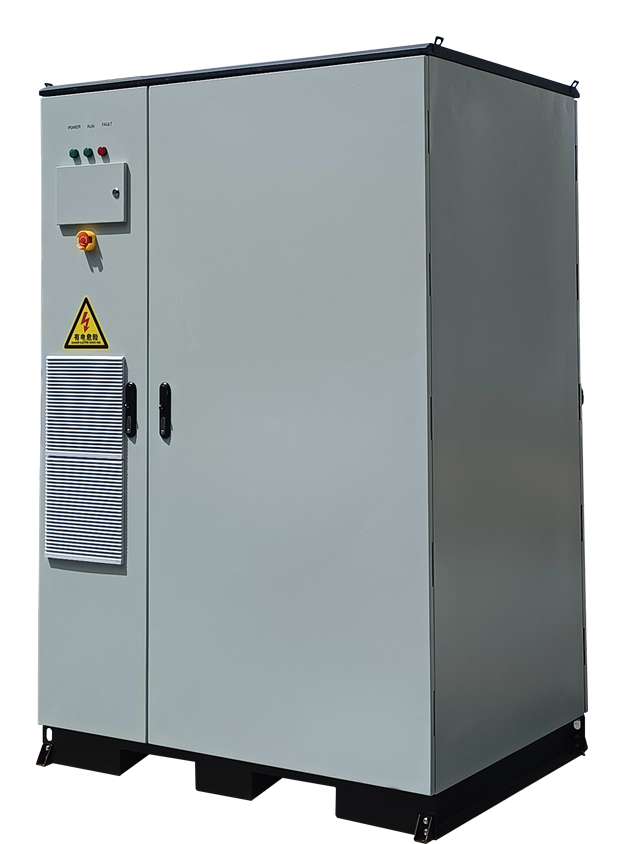
Choosing the right MPPT solar charge controller is a critical step in building an efficient and long-lasting solar power system. This essential device acts as the brain of your setup, regulating the power flowing from your solar panels to your batteries. It not only protects your batteries from overcharging but also ensures you are harvesting the maximum possible energy from the sun. An advanced controller is the key to unlocking the full potential of your solar array, making it a crucial investment for anyone serious about renewable energy.

At the core of a modern, high efficiency solar charge controller is Maximum Power Point Tracking (MPPT) technology. Unlike older PWM (Pulse Width Modulation) controllers, an MPPT controller intelligently scans the output of your solar panels and adapts to find the optimal voltage and current combination. This dynamic adjustment allows it to extract significantly more power, especially in conditions with intermittent sunlight, cloud cover, or fluctuating temperatures. This increased efficiency, often up to 30% more than PWM controllers, means you get more energy into your batteries each day, leading to a faster return on your investment and a more reliable power supply.
When selecting a controller, several key features distinguish the best MPPT solar controller from the rest. First, consider the system voltage and amperage requirements. High-capacity systems, for instance, might need a robust 48V 100A controller, while versatile models like the TYC series can adapt to various battery voltages from 12V to 48V. Second, user-friendly monitoring is crucial. Look for models with a clear LCD display that provides real-time data on battery voltage, charging current, and energy statistics. Advanced units even offer remote monitoring via 4G, WiFi, or GPRS, allowing you to track your system's performance from a computer or smartphone. Finally, ensure the device offers comprehensive safety protections and is compatible with your battery type, whether it's lithium-ion or traditional lead-acid.
Navigating the market for an MPPT controller for solar panels can be daunting, which is why choosing a reputable solar charge controller supplier is paramount. Established solar charge controller manufacturers are more likely to offer durable, well-tested products with reliable warranties and customer support. While solar charge controller pricing is an important consideration, the cheapest option is rarely the best. A more reliable solar charge controller with higher efficiency will save you money in the long run through better performance and longevity. For professionals and large-scale projects, seeking out MPPT solar charge controller wholesale options can provide significant cost benefits without compromising on quality from trusted MPPT solar controller manufacturers.
Ultimately, investing in a quality MPPT solar charge controller is investing in the health and performance of your entire solar energy system. By understanding the core benefits of MPPT technology, identifying the essential features your application requires, and selecting a trusted supplier, you can ensure your solar panels operate at peak efficiency. This crucial component bridges the gap between energy generation and storage, paving the way for a more sustainable and energy-independent future, powered by a smart, reliable, and highly efficient device.
Maximizing Your Harvest: The Power of MPPT Technology
At the core of a modern, high efficiency solar charge controller is Maximum Power Point Tracking (MPPT) technology. Unlike older PWM (Pulse Width Modulation) controllers, an MPPT controller intelligently scans the output of your solar panels and adapts to find the optimal voltage and current combination. This dynamic adjustment allows it to extract significantly more power, especially in conditions with intermittent sunlight, cloud cover, or fluctuating temperatures. This increased efficiency, often up to 30% more than PWM controllers, means you get more energy into your batteries each day, leading to a faster return on your investment and a more reliable power supply.
Essential Features of the Best MPPT Solar Controller
When selecting a controller, several key features distinguish the best MPPT solar controller from the rest. First, consider the system voltage and amperage requirements. High-capacity systems, for instance, might need a robust 48V 100A controller, while versatile models like the TYC series can adapt to various battery voltages from 12V to 48V. Second, user-friendly monitoring is crucial. Look for models with a clear LCD display that provides real-time data on battery voltage, charging current, and energy statistics. Advanced units even offer remote monitoring via 4G, WiFi, or GPRS, allowing you to track your system's performance from a computer or smartphone. Finally, ensure the device offers comprehensive safety protections and is compatible with your battery type, whether it's lithium-ion or traditional lead-acid.
Finding a Reliable Supplier and Understanding Pricing
Navigating the market for an MPPT controller for solar panels can be daunting, which is why choosing a reputable solar charge controller supplier is paramount. Established solar charge controller manufacturers are more likely to offer durable, well-tested products with reliable warranties and customer support. While solar charge controller pricing is an important consideration, the cheapest option is rarely the best. A more reliable solar charge controller with higher efficiency will save you money in the long run through better performance and longevity. For professionals and large-scale projects, seeking out MPPT solar charge controller wholesale options can provide significant cost benefits without compromising on quality from trusted MPPT solar controller manufacturers.
Making the Final Decision for Your Solar System
Ultimately, investing in a quality MPPT solar charge controller is investing in the health and performance of your entire solar energy system. By understanding the core benefits of MPPT technology, identifying the essential features your application requires, and selecting a trusted supplier, you can ensure your solar panels operate at peak efficiency. This crucial component bridges the gap between energy generation and storage, paving the way for a more sustainable and energy-independent future, powered by a smart, reliable, and highly efficient device.