

How to Choose and Install the Best Hybrid Solar Inverter for Your Home
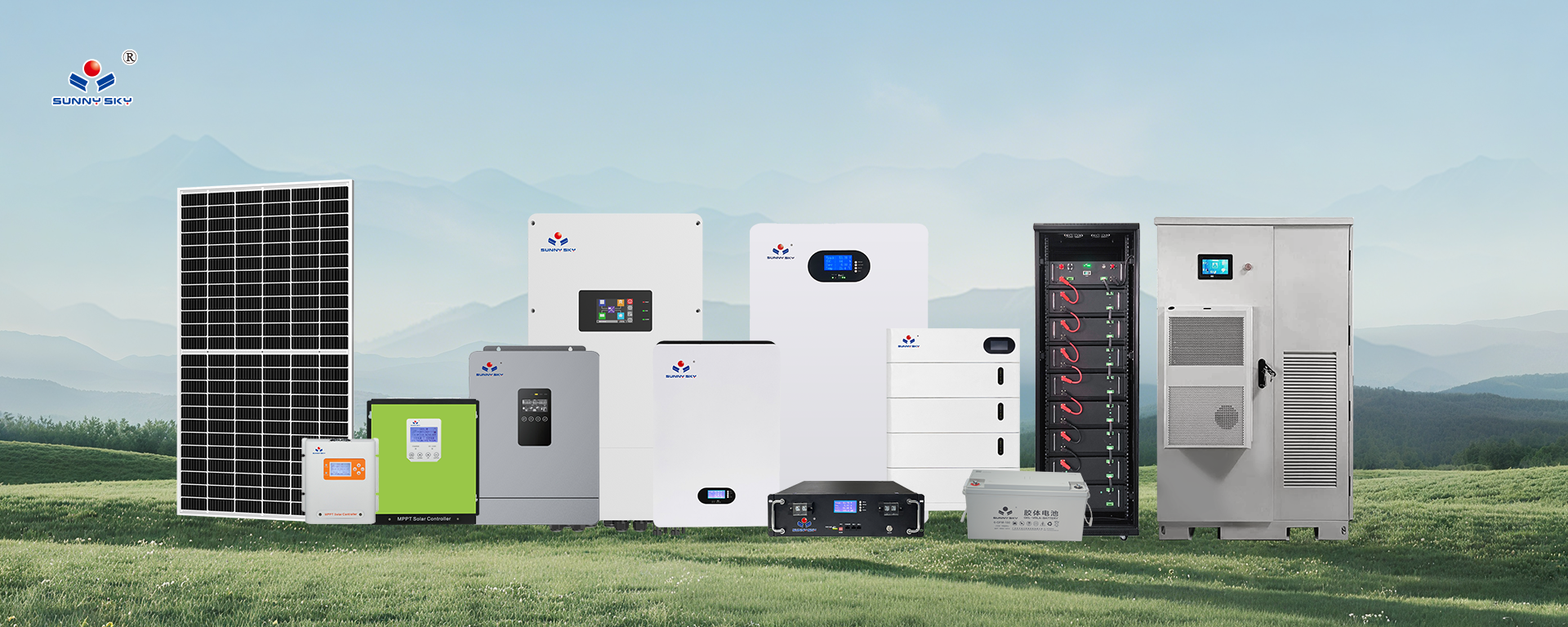
In today's world of sustainable living, a hybrid solar inverter stands out as a game-changer for homeowners looking to harness solar energy efficiently. This versatile device combines the power of solar panels with grid and battery storage, providing a reliable energy solution that adapts to your needs. Whether you're aiming to cut electricity bills or prepare for outages, understanding how to select and set up the best hybrid solar inverter is essential. In this guide, we'll walk you through the process step by step, focusing on key aspects like features, installation, and comparisons to help you make an informed decision.
Understanding What Makes a Hybrid Solar Inverter Essential
A hybrid solar inverter is designed to manage multiple energy sources seamlessly, unlike traditional setups. It integrates solar input with the electrical grid and battery backups, ensuring your home stays powered even when the sun isn't shining or the grid fails. To get started, evaluate your energy needs: calculate your daily consumption and consider factors like location and household size. The best hybrid solar inverter should offer high efficiency, typically above 95%, and compatibility with various battery types, such as lithium-ion for longer life.
When comparing a hybrid inverter vs solar inverter, the hybrid model wins for its flexibility. A pure solar inverter relies solely on panels and doesn't handle grid or battery integration as smoothly. Opt for one with advanced hybrid solar inverter features like MPPT charge controllers for optimal energy harvesting and remote monitoring via apps. Reviews from users often highlight models with intuitive interfaces, such as LCD displays showing real-time data on voltage, current, and battery status. For instance, the 6KW Hybrid Solar Inverter from Sunny Sky excels here, boasting a 6KW capacity ideal for medium-sized homes, durable build quality, and safety protections against overloads and short circuits.
Key Benefits and How to Evaluate Hybrid Solar Inverter Reviews
The benefits of a hybrid solar inverter system are numerous, starting with energy independence and cost savings. By storing excess solar power in batteries, you reduce reliance on the grid, potentially saving up to 50% on bills during peak hours. Additionally, it promotes eco-friendliness by maximizing renewable energy use, lowering your carbon footprint. When reading hybrid solar inverter reviews, look for real-user feedback on reliability and performance under varying weather conditions. Pay attention to aspects like noise levels—quiet operation is crucial for indoor installations—and warranty periods, which can extend up to 10 years for top models.
To find the best hybrid solar inverter, compare specs across brands. Focus on hybrid solar inverter price points: entry-level units start around $1,000, while premium 6KW models like Sunny Sky's hover between $2,000-$3,000, offering great value with their sleek design and hybrid functionality. Check for certifications like UL or CE to ensure safety and efficiency. User reviews on sites like Amazon or solar forums often praise inverters with easy scalability, allowing you to add more panels later as your system grows.
Step-by-Step Guide to Install a Hybrid Solar Inverter
Installing a hybrid solar inverter requires careful planning to ensure safety and performance. First, consult a certified electrician or solar professional, as improper hybrid solar inverter installation can void warranties or pose risks. Begin by selecting a suitable location: mount it in a well-ventilated, shaded area away from direct sunlight and moisture, ideally indoors or in a weatherproof enclosure.
Gather tools like a multimeter, wire strippers, and mounting brackets. Connect the solar panels to the inverter's DC input using appropriately sized cables—typically 10-12 gauge for a 6KW system. Then, link the AC output to your home's electrical panel and integrate the battery bank if using one. For the Sunny Sky 6KW model, follow its intuitive manual: secure the compact unit to a wall, wire the inputs, and configure settings via the LCD display for automatic switching between solar, grid, and battery modes. Test the system by monitoring outputs and ensuring protections activate during simulated faults.
Finally, schedule regular maintenance: clean panels quarterly and check connections annually. This hybrid solar inverter installation process, when done right, can power your home reliably for years. By choosing a model with strong features and benefits, like uninterrupted supply and energy optimization, you'll enjoy a smoother transition to green energy.
Final Tips for Maximizing Your Hybrid Solar Inverter System
To fully leverage your setup, pair the inverter with high-efficiency panels and smart energy management tools. Monitor usage through apps to adjust consumption patterns, and consider incentives like tax credits that can offset the hybrid solar inverter price. In summary, investing in a quality hybrid solar inverter not only enhances sustainability but also provides peace of mind. With the right choice and proper installation, you'll power your life more efficiently and affordably.




