How to Choose and Install the Best Hybrid Solar Inverter for Your Home
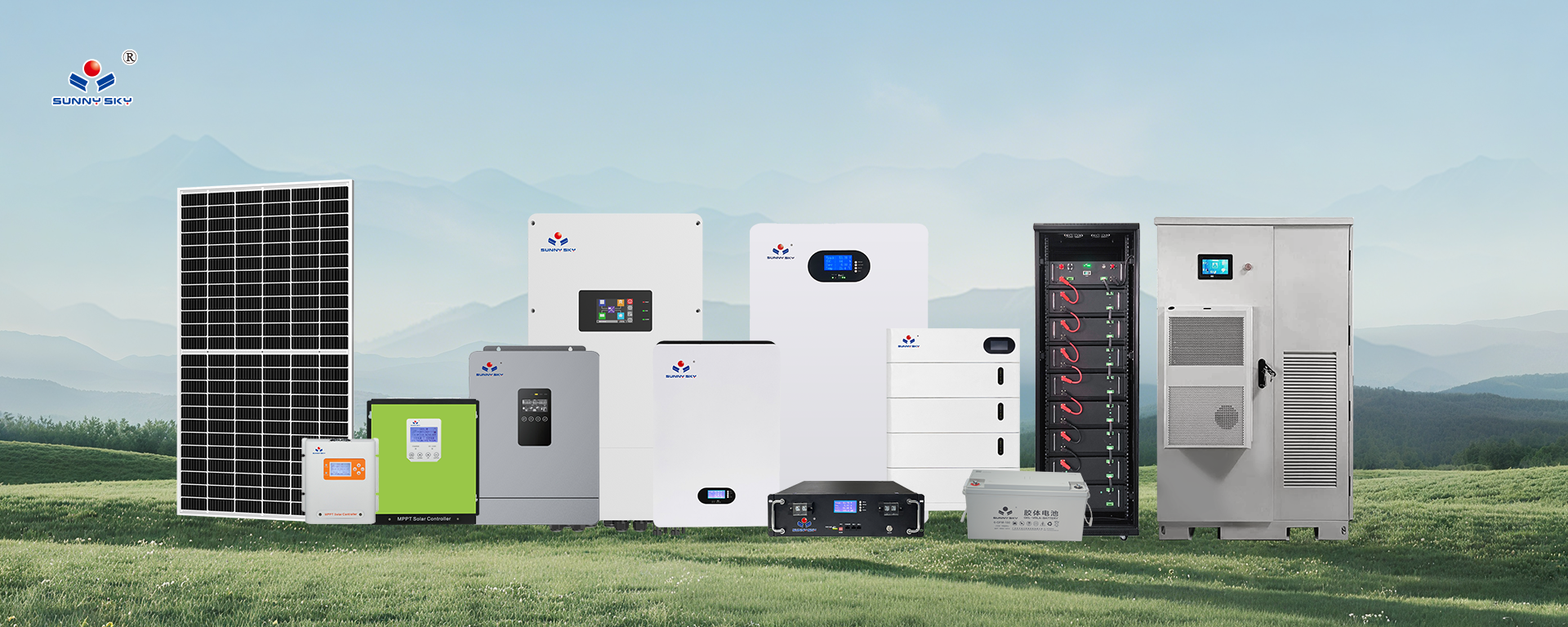
In the world of renewable energy, a hybrid solar inverter stands out as a versatile solution for homeowners looking to blend solar power with grid and battery systems. This guide will walk you through everything from selecting the best hybrid solar inverter to understanding its installation, features, and benefits, helping you make an informed decision for your energy needs.
Understanding What Makes a Hybrid Solar Inverter Essential
A hybrid solar inverter is designed to manage power from multiple sources—solar panels, batteries, and the grid—ensuring seamless energy flow. Unlike traditional setups, it allows you to store excess solar energy for use during outages or at night, promoting energy independence. To get started, assess your home's energy consumption and roof space for panels. The Sunny Sky 6KW Hybrid Solar Inverter exemplifies this technology with its ability to switch effortlessly between sources, providing uninterrupted power even when the sun isn't shining.
Finding the Best Hybrid Solar Inverter for Your Setup
When searching for the best hybrid solar inverter, focus on efficiency, capacity, and compatibility. Look for models with at least 95% efficiency to minimize energy loss. The Sunny Sky 6KW model offers a robust 6KW capacity, ideal for medium-sized homes, supporting loads up to that level without strain. Consider hybrid solar inverter reviews from reliable sources; users praise its user-friendly LCD display for real-time monitoring of battery levels and power generation. Key hybrid solar inverter features include overload protection and a durable design that withstands harsh weather, ensuring longevity. Compare options based on these traits to find one that fits your budget and needs.
Comparing Hybrid Inverter vs Solar Inverter: Which is Right?
To decide between a hybrid inverter and a solar inverter, understand their differences. A standard solar inverter only converts DC from panels to AC for immediate use or grid feed-in, while a hybrid inverter adds battery integration and grid backup. If you want off-grid capability or blackout protection, go for the hybrid option. The Sunny Sky 6KW shines here with its hybrid functionality, dynamically balancing solar input, battery storage, and grid power. This versatility makes it superior for modern homes aiming for sustainability, especially in areas with unreliable grids.
Exploring Hybrid Solar Inverter Price and Value
Hybrid solar inverter price varies based on capacity and features, typically ranging from $1,000 to $3,000 for a 6KW unit like the Sunny Sky model. Factor in long-term savings: with high efficiency, it reduces electricity bills by maximizing solar usage and storing energy affordably. Reviews highlight its cost-effectiveness, as the initial investment pays off through lower utility costs and potential incentives. Weigh the price against benefits like reduced carbon footprint and energy reliability—it's a smart buy for eco-conscious households.
Key Hybrid Solar Inverter Benefits for Energy Savings
The benefits of a hybrid solar inverter extend beyond basic power conversion. It enhances energy efficiency by prioritizing solar over grid power, cutting costs significantly. With features like smart energy management, the Sunny Sky 6KW ensures optimal battery charging during peak sun hours. Users in hybrid solar inverter reviews report up to 30% savings on bills, plus peace of mind during outages. Environmentally, it lowers reliance on fossil fuels, supporting green living. For small businesses, it stabilizes operations with reliable backup.
Step-by-Step Guide to Install Hybrid Solar Inverter
Installing a hybrid solar inverter requires careful planning for safety and performance. First, consult a certified electrician to evaluate your site and ensure compliance with local codes. For the Sunny Sky 6KW, mount it in a well-ventilated area away from direct sunlight. Connect solar panels to the DC input, batteries to the storage terminals, and the grid to the AC side following the manual's wiring diagram. The hybrid solar inverter installation process includes configuring settings via the intuitive interface for priorities like solar-first mode. Test the system post-installation to verify seamless switching. Professional hybrid solar inverter installation is recommended to avoid voids in warranty and ensure optimal setup.
Setting Up Your Hybrid Solar Inverter System
A complete hybrid solar inverter system integrates panels, batteries, and the inverter for full autonomy. Start by sizing components: pair the 6KW inverter with 10-15 panels and a 5-10kWh battery bank. The Sunny Sky model supports this effortlessly, with its advanced protection against shorts and overheating. Monitor via the digital display for adjustments. Benefits include scalable growth—add more panels later. This setup not only powers your home but also feeds excess energy back to the grid, earning credits. Regular maintenance, like cleaning connections, keeps it running efficiently.
By following this how-to guide, you'll harness the power of a hybrid solar inverter to achieve energy efficiency and sustainability. The Sunny Sky 6KW Hybrid Solar Inverter, with its blend of innovation and reliability, is a top choice to start your journey today.