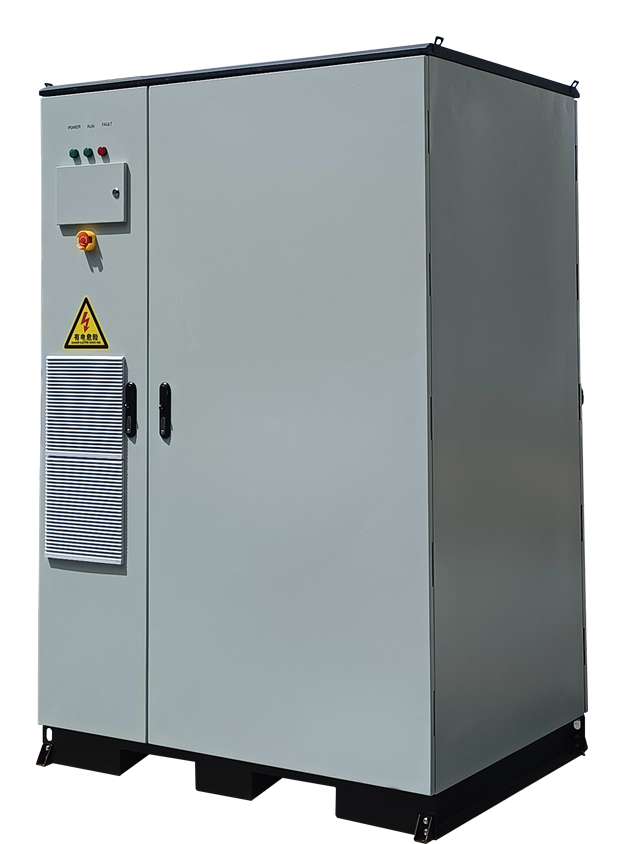
Understanding the 30KW Off-Grid Solar Power System
In the realm of renewable energy systems, the 30KW off-grid solar power system stands out as a robust solution for energy independence, particularly in remote or rural settings. This system, like the innovative Sunny Sky Solar Power Kit, harnesses solar panels to generate substantial power—up to 30 kilowatts—without relying on the grid. It contrasts sharply with traditional grid-tied setups by storing excess energy in advanced battery storage for solar power, ensuring continuous supply even during outages or nighttime. On one hand, off-grid systems offer complete autonomy, ideal for areas with unreliable electricity; on the other, they demand a higher upfront investment compared to smaller-scale options. For residential or commercial users seeking off-grid solar solutions, this setup provides a powerful alternative to fossil fuel generators, which are noisier and less environmentally friendly.

Comparing Off-Grid to Hybrid Solar Power Systems
When evaluating sustainable energy solutions, a key comparison arises between the 30KW off-grid solar power system and hybrid solar power systems. Hybrid systems blend grid connectivity with solar generation, allowing users to draw from utilities when solar output is low, whereas the pure off-grid model operates in isolation, relying solely on solar panel installation and battery storage. The Sunny Sky kit exemplifies off-grid efficiency with its high-efficiency panels and modular battery design, storing daytime surplus for evening use— a feature that reduces dependency on external sources entirely. In contrast, hybrids might offer cost savings through net metering but lack the full independence of off-grid setups, which can be crucial for off-grid solar solutions in isolated homes or offices. While hybrids are more flexible for urban solar power system for home installations, the 30KW system shines in scenarios demanding reliability without grid access, though it requires more comprehensive planning for scalability.
Solar Power Systems for Home vs. Office Applications
Delving into applications, solar power system for home and solar power system for office present intriguing contrasts within the broader category of renewable energy systems. A 30KW off-grid solar power system suits larger homes or small offices by powering essentials like lighting, appliances, and HVAC through efficient solar energy for residential use, all managed via the Sunny Sky's real-time monitoring interface. Homes benefit from its compact, easy-install design for sustainable energy solutions, contrasting with office setups that might integrate it into bigger solar panel installation projects for higher energy demands. Offices often lean toward hybrid alternatives for peak-hour grid support, but the off-grid version empowers businesses in remote locations with consistent power from battery storage for solar power, avoiding blackouts that plague grid-dependent offices. Ultimately, while home systems prioritize affordability and simplicity, office implementations favor the 30KW's scalability for professional loads, highlighting how off-grid solar solutions adapt across contexts.
Long-Term Benefits and Considerations of Off-Grid Solar Solutions
Looking ahead, the 30KW off-grid solar power system edges out conventional energy sources in sustainability and cost-effectiveness over time. Unlike diesel generators, which incur ongoing fuel expenses and emissions, this system from Sunny Sky delivers clean power with minimal maintenance, slashing energy bills by up to 90% through optimized solar energy for residential use and beyond. It contrasts with smaller renewable energy systems by offering greater capacity for growth, such as adding modules to battery storage for evolving needs in solar power system for office environments. However, potential drawbacks include initial costs higher than basic grid-tied solar power system for home setups, though incentives and long warranties mitigate this. For those embracing sustainable energy solutions, the off-grid path fosters empowerment and environmental stewardship, positioning it as a superior choice for forward-thinking users compared to less independent hybrids.