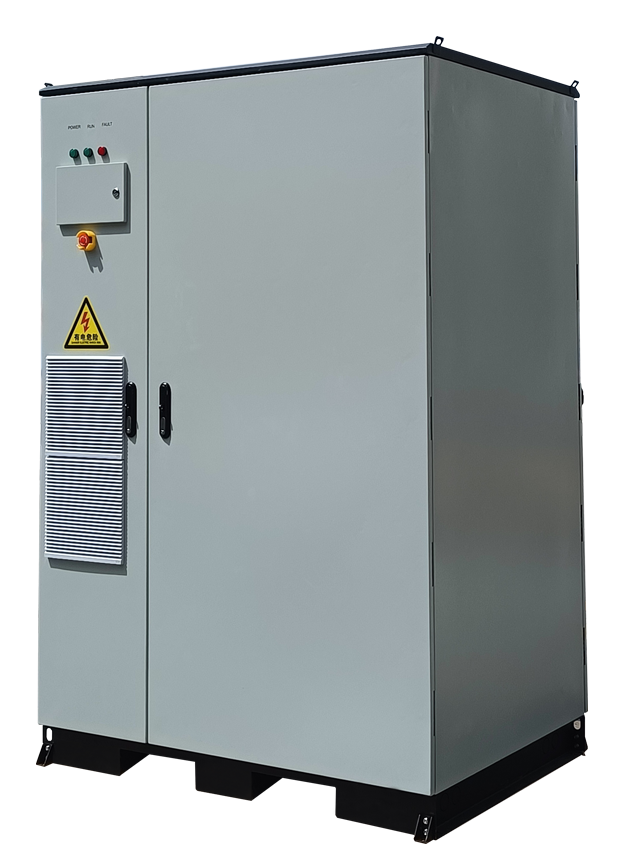
Understanding the 30KW Off-Grid Solar Power System

In the quest for sustainable energy solutions, the 30KW off-grid solar power system stands out as a robust choice for those seeking complete independence from the grid. This powerful setup, exemplified by the SunnySky Solar Power System, harnesses advanced photovoltaic technology to deliver reliable energy without relying on traditional power sources. Unlike conventional grid-tied systems that depend on utility companies, an off-grid system like this one ensures uninterrupted power supply through its integrated components, including high-efficiency solar panels and a modular battery stack. This makes it ideal for remote locations or areas with unreliable electricity, providing a stark contrast to hybrid systems that blend grid and solar power for partial backup.
Comparing Off-Grid to Hybrid Solar Power Systems
When contrasting the 30KW off-grid solar power system with a hybrid solar power system, the differences in autonomy and flexibility become evident. Off-grid setups, such as the SunnySky model, prioritize self-sufficiency by storing excess energy in high-capacity battery storage for solar power, ensuring 24/7 availability even during extended periods without sunlight. In comparison, hybrid systems offer the convenience of grid connectivity as a safety net, automatically switching to utility power when solar production falls short. However, this reliance on the grid can lead to higher long-term costs due to potential utility fees, whereas the off-grid 30KW system eliminates such expenses entirely, promoting true energy independence. The SunnySky inverter's intuitive touch screen monitoring further enhances control in off-grid scenarios, outshining the more complex management often required in hybrids.
Solar Power System for Home vs. Office Applications
For residential users, a solar power system for home like the 30KW off-grid variant excels in powering everyday needs, from lighting and appliances to entertainment systems, with its durable wiring and connectors minimizing energy loss. This contrasts with solar power system for office implementations, where higher demands for computers, HVAC, and machinery necessitate scalable designs. Off-grid solar solutions in homes emphasize quiet, eco-friendly operation without the noise of generators, while office setups might integrate with hybrid elements for peak-hour demands. The SunnySky system's sleek, color-coded components integrate seamlessly into both environments, but its off-grid nature shines in homes seeking sustainable energy solutions free from blackout risks, unlike office grids that face commercial rate fluctuations.
Off-Grid Solar Solutions and Renewable Energy Integration
Delving into off-grid solar solutions, the 30KW off-grid solar power system offers superior resilience compared to on-grid renewable energy systems that can falter during outages. With solar panel installation optimized for maximum absorption, it captures sunlight efficiently, feeding into a battery storage for solar power that sustains operations overnight. This modular approach contrasts with less flexible renewable energy systems, allowing easy expansion for growing needs. For solar energy for residential use, the system's efficiency reduces reliance on fossil fuels, providing a cleaner alternative to diesel backups. In essence, while hybrid systems bridge old and new energy paradigms, off-grid options like SunnySky propel users toward full sustainability, cutting carbon footprints and operational costs over time.
Battery Storage and Sustainable Energy Advantages
A key differentiator in the 30KW off-grid solar power system is its advanced battery storage for solar power, which ensures stability during cloudy days or at night, far surpassing the intermittent nature of basic solar setups. Compared to sustainable energy solutions that incorporate wind or other renewables, this solar-focused system maintains simplicity and lower maintenance, with the SunnySky battery stack designed for longevity and safety. For both home and office, it contrasts with grid-dependent alternatives by avoiding peak pricing, offering predictable energy costs. Ultimately, embracing such off-grid solar solutions not only aligns with eco-conscious goals but also delivers economic benefits through long-term savings, making it a compelling choice over more conventional power infrastructures.