tianyuansolar@gmail.com

10KW Off Grid Solar System: Transform Energy Independence

  • Learning center
Posted by SUNNYSKY On Oct 23 2025
The 10KW Off Grid Solar System offers a robust solution for those seeking energy independence in remote or unreliable grid areas. In today's world, many homeowners face the challenge of escalating energy costs and frequent power outages, making it difficult to maintain a comfortable and sustainable lifestyle. This system, designed for off grid living, harnesses solar power to provide a reliable energy source, reducing reliance on traditional electricity grids and promoting renewable energy systems.
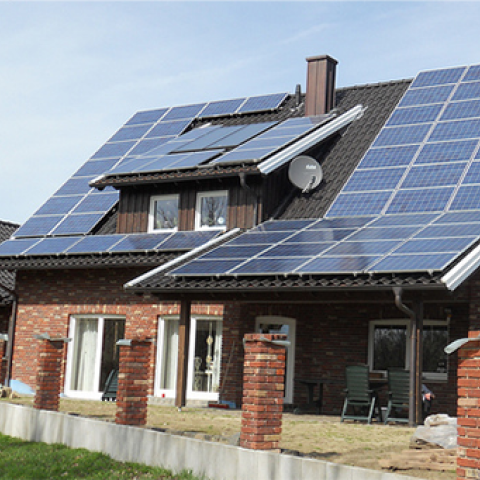
10KW Off Grid Solar System, solar system for shed, home solar energy solutions, sustainable energy for homes, off grid solar solutions

Understanding the Problems of Traditional Energy Sources

One of the primary issues with conventional energy sources is the heavy dependence on fossil fuels, which not only drives up home solar energy solutions costs but also contributes to environmental degradation. For instance, homeowners with sheds or remote properties often struggle with inconsistent power supply, leading to spoiled goods or interrupted daily activities. Sustainable energy for homes is increasingly vital as climate change accelerates, with off grid solar solutions becoming essential for those in areas prone to blackouts. Additionally, solar energy for sheds can be overlooked, yet it's crucial for powering tools and lighting without drawing from the main grid. These problems highlight the need for alternatives that are both cost-effective and eco-friendly, as renewable energy systems help mitigate the financial burden and reduce carbon footprints.

Exploring Effective Solutions with Off Grid Solar Systems

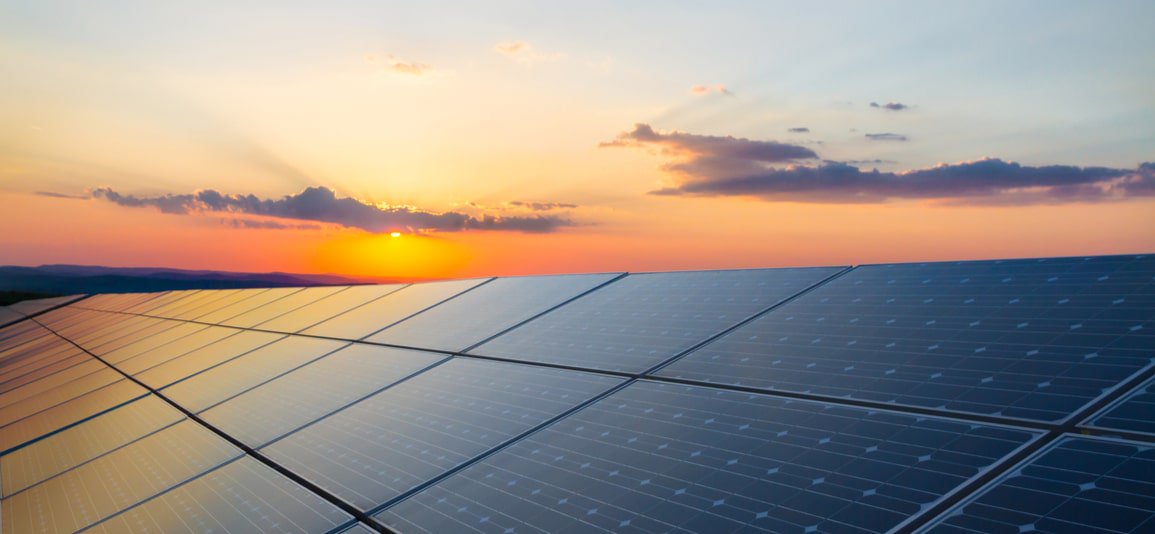
To address these challenges, the 10KW Off Grid Solar System emerges as an ideal home solar energy solutions option, integrating high-efficiency photovoltaic panels that blend seamlessly with modern home designs. This system utilizes advanced solar batteries for storage to ensure energy availability even during cloudy days, making it perfect for sustainable energy for homes. By installing such a setup, users can power their entire household or shed efficiently, as seen in innovative products that feature anti-reflective coatings and durable construction for longevity. Off grid solar solutions like this one not only lower energy bills but also promote solar power systems that are easy to monitor via smart technology, allowing real-time tracking of consumption. For those embracing off grid living, this approach transforms energy management, turning a common problem into a sustainable advantage with minimal environmental impact.

Benefits and Long-Term Advantages of Switching to Solar

Beyond immediate problem-solving, adopting a 10KW Off Grid Solar System yields long-term benefits, such as enhanced property value and reduced maintenance needs compared to traditional setups. Solar system for shed applications demonstrate how compact, efficient designs can handle specific energy demands without overwhelming the user. Renewable energy systems like this encourage a shift towards greener living, with features like intelligent energy management that empower homeowners to optimize their usage. While initial setup might require investment, the returns in terms of savings and sustainability are substantial, making solar energy for sheds and full homes a smart choice. Overall, this solution fosters a future where energy independence is achievable, ensuring that families can enjoy reliable power while contributing to a healthier planet.

Recommended Products

Featured Blogs

Tag:

    Share On
    Featured Blogs
    Solar System Acceptance Checklist: 10 Key Points for Beginners

    Solar System Acceptance Checklist: 10 Key Points for Beginners

    1. Visual Inspection: Flat board surface without cracks / Anti-corrosion treatment of bracket / Screws tightened without loosening. 2. DC Side: MC4 connector tightened and waterproof / Cables protected by conduit / Sufficient slack for easy maintenance. 3. AC Side: Independent circuit breaker + leakage protection / Bidirectional energy meter replaced / Terminal blocks tightened. 4. Grounding: Inverter casing / bracket / Grounding wire specification ≥ 4mm² continuous without joints. 5. Inverter: Normal grid connection and startup / Normal parameter display / Switching to off-grid mode within 20ms. 6. Monitoring: Successful APP binding / Data consistent with screen / Obstruction test alarm normal.

    Can old and new batteries be mixed? Precautions for parallel expansion of energy storage systems (Introduction)

    Can old and new batteries be mixed? Precautions for parallel expansion of energy storage systems (Introduction)

    1. Risks of Mixed Use: Internal resistance mismatch leading to uneven current distribution, BMS protocol incompatibility, and wasted capacity. 2. Expansion Methods: New battery of the same model/BMS master-slave mode/Independent system/Complete replacement 3. Operation Steps: Confirm inverter support → Individual activation test of new battery → Power off and connect → Debugging and monitoring 4. Common Problems: New battery overheating/System alarm mismatch/Incomplete charging/Discharging/Efficiency reduction 5. Solutions: Reduce load, update firmware, recalibrate BMS, set new battery to charge-only mode 6. Conclusion: Mixed use is generally not recommended. The optimal solution is to expand capacity using the same model, with an independent system as the second choice.

    Can a cracked solar panel still be used? A detailed explanation of four levels of damage.

    Can a cracked solar panel still be used? A detailed explanation of four levels of damage.

    1. Causes of cracks: Hail impact, thermal stress, installation pressure, handling bumps, aging. 2. Four-step assessment: Check crack location/shape/whether it is expanding/whether it affects power generation. 3. Level 1: Minor: Fine scratches/hairline cracks, impact <5%, no treatment required, continue use. 4. Level 2: Moderate: Obvious cracks that do not penetrate, impact 5%-15%, requires continuous observation. 5. Level 3: Severe: Through-crack/glass shattered, impact 15%-50%, must be replaced. 6. Level 4: Completely broken/frame detached, immediately disconnect power and replace.

    Can solar energy systems still be used during consecutive rainy days? Energy storage configuration guide.

    Can solar energy systems still be used during consecutive rainy days? Energy storage configuration guide.

    1. Impact on power generation: Power generation drops to 10%-30% of sunny days on cloudy days, and only 1/5 of sunny days after a week of cloudy/rainy weather. 2. Three-stage effect: Daytime charging and discharging → Nighttime battery power supply → Battery depletion during continuous cloudy days. 3. Range reference: 10 kWh battery lasts 1-7 days, 20 kWh lasts 2-14 days, 30 kWh lasts 3-21 days. 4. Configuration recommendation: Designed to last at least three days, with a power rating slightly higher than the inverter. 5. Practical tips: Use high-power appliances during the day, pay attention to weather forecasts and plan ahead. 6. Extreme solution: A hybrid of photovoltaic + energy storage + diesel generation, suitable for "uninterrupted power" needs.

    tianyuansolar@gmail.com
    +86-13711660041
    +8613711660041
    WhatsApp :WhatsApp QR Code